
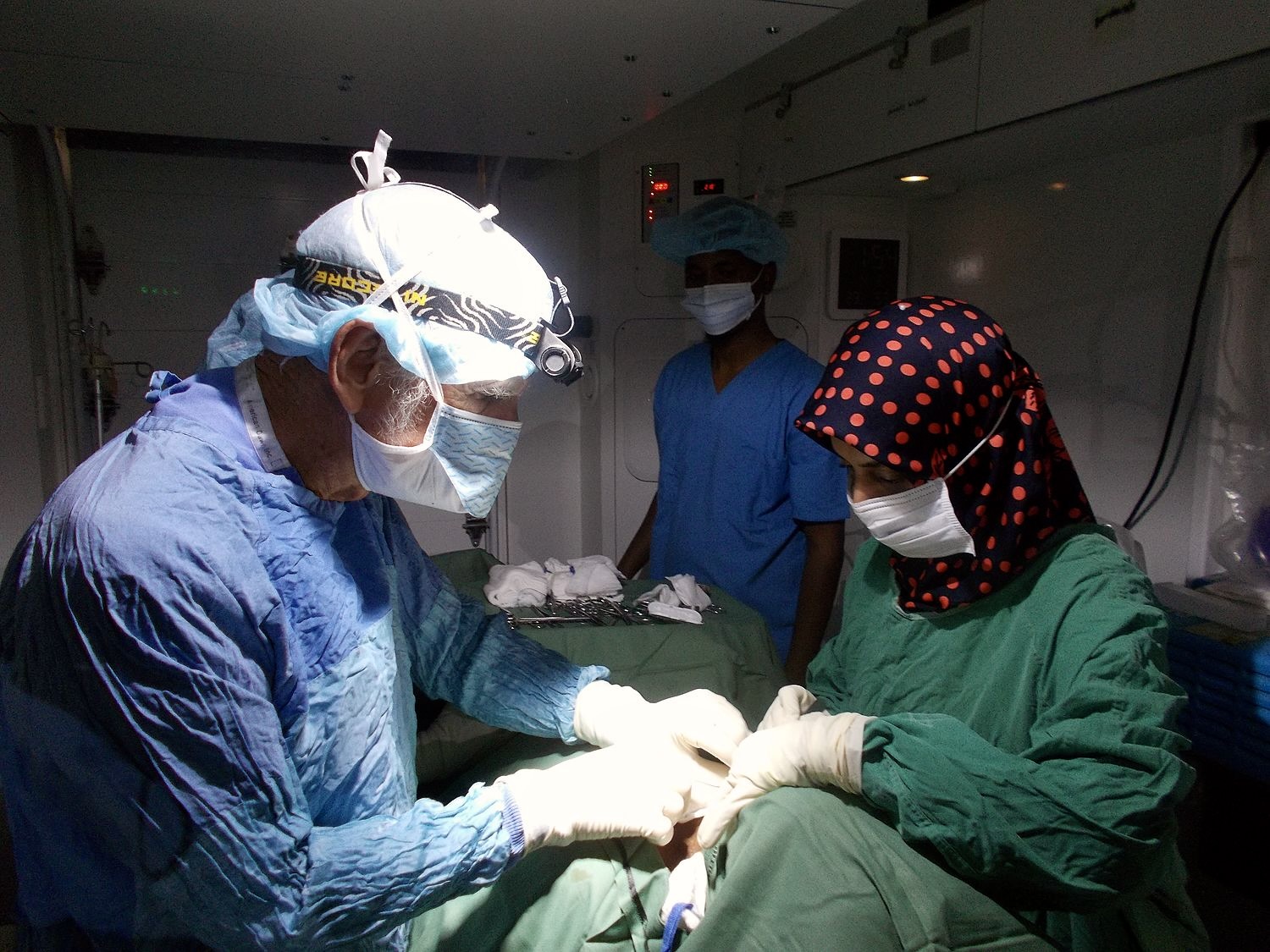
Mission to Heal is here to make healthcare sustainable and accessible. Our organization is built on educational missions – we don’t do short term trips where we leave without providing any real support or resources. Instead, we deliver basic, intermediate, and specialty training to medical professionals in remote areas of the world. This allows them to treat patients in their own local setting, promoting healthier communities and a better quality of life for everyone.
Everyone who joins our missions takes on the role of teacher. Whether you have experience teaching in a healthcare setting, or this is your first time being a classroom leader, you can pass your skills along to others.
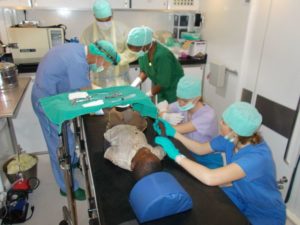 Mission to Heal’s method is to meet local healthcare professionals in their own setting and adapt to the needs they encounter. We work closely with partner organizations to assess which regions would benefit from a mission, and then we communicate with those who work in the clinics to determine what types of cases and patients they see often.
This allows us to equip them with the best resources and knowledge to continue improving their community long after we’ve left.
Who can go on missions?
We go where medical need is the greatest – which means we also have a considerable need for a variety of expertise. Find more information here on volunteering with Mission to Heal and see how you can join an upcoming mission.
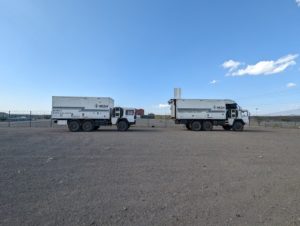 We only go off the beaten path. Our Mobile Surgical Units (MSU) grant us the ability to deliver surgical care and education in parts of the world that are typically unreachable.
The MSU supplements our teaching method while also providing more humane care for the patients we serve. Patients remain in their own community, sparing them the trauma and expense of leaving home, traveling with difficulty, and being separated from their families.
The MSU is a state-of-the-art tool that is a tough, rugged, powerful, and sophisticated vehicle. It is made up of two separate modules carried on two MAN KAT trucks. These military-grade overlanding machines are capable of fording rivers, deserts, and jungles, traversing through mud, dust, and uneven terrain.
They are able to generate solar power and purify water, and all systems are equipped with a triple-point failure. Module A contains two separate operating tables, and provides storage for all the medical equipment we use. Module B contains one operating table, as well as sleeping quarters for our team.
Our teams of volunteers will have the chance to ride in these units, providing a unique off-road experience for all!